
For campers, outdoor toileting can quickly become one of the least convenient parts of a trip. Small camping toilets provide a cleaner, more private, and more practical way to handle bathroom needs while protecting the places you visit.
Types and Selections of Camping Toilets
Before choosing a camping toilet, it helps to understand the main types and where each one works best.
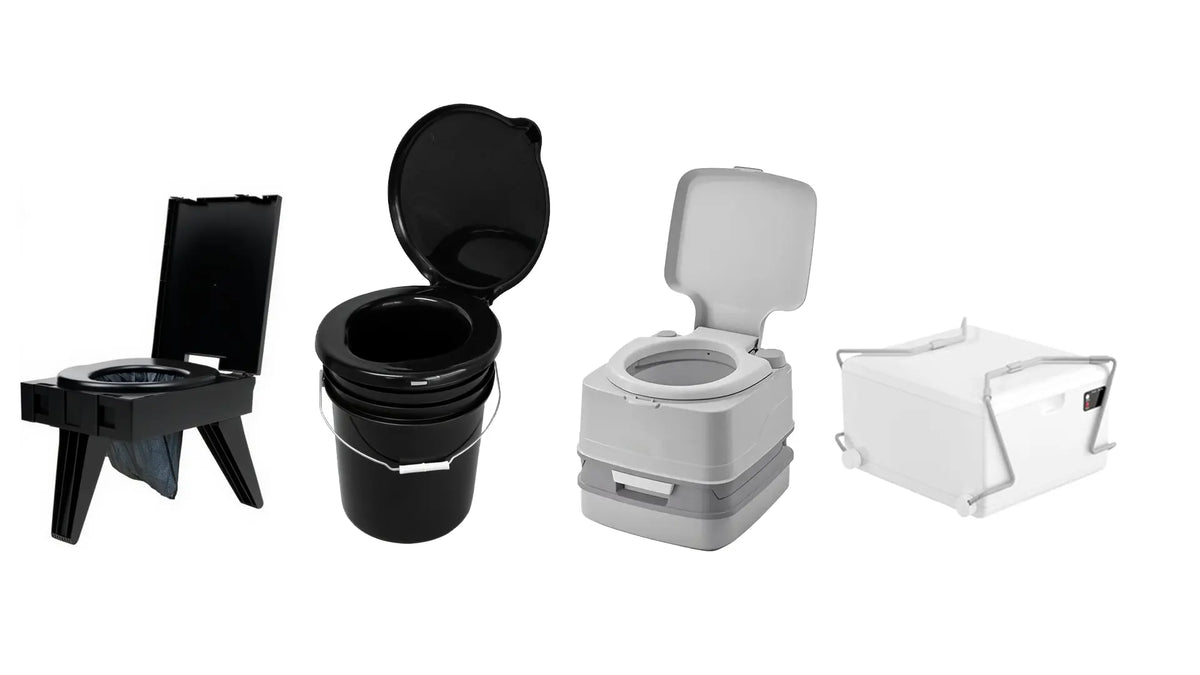
- Folding portable toilets: Lightweight and easy to carry, usually built with a foldable frame and replaceable bags. They are practical for campers with limited storage space.
- Bucket portable toilets: Simple, stable, and usually stronger than ultra-light folding models. Many include a lid and room for trash bags or absorbent material, but they take up more space.
- Toilet-style portable toilets with tanks: Closer to a household toilet experience, with a freshwater tank and a waste tank. They are comfortable, but heavier and require regular emptying.
- Dry flush portable toilets: Waterless toilets that seal waste in bags to reduce handling and simplify disposal. The Modiwell dry flush camping toilet uses one-button heat sealing, so campers do not need a water source or black water tank.

Camping Toilet Selection Guide
Choose based on your travel style, group size, storage space, and expectations for comfort and cleanup. It is also worth considering the hidden costs of buying a camping toilet, including refills, bags, deodorizers, cleaning supplies, and disposal requirements.
1. Choose according to your camping method
- Hiking or backpacking: Choose a compact folding toilet when weight and packing volume are the top priorities.
- Self-driving or rooftop tent camping: Consider a bucket toilet, lightweight commode-style toilet, or compact dry flush toilet for a better balance of portability and comfort.
- RV or trailer camping: If you want a toilet closer to home use, compare tank-style portable toilets, fixed RV toilets, and dry flush toilets based on odor control, cleaning effort, and installation needs.
2. Choose according to users and frequency
For one or two people on a short trip, a small and easy-to-empty model may be enough. For families or frequent use, choose a toilet with better stability, stronger waste handling, and a clear disposal method. This camping toilet capacity guide can help with family camping decisions.
3. Choose according to space limitations
For compact cars and small SUVs, prioritize folded size and easy storage. For larger SUVs, RVs, and trailers, you may be able to keep the toilet in a fixed position for easier access.
4. Choose according to comfort and cleanliness
Bucket and commode-style toilets offer simple comfort. Dry flush toilets are a strong option when you want waterless operation, easier cleanup, and better odor control in a small camping space.
Camping Toilet Upgrade: Modiwell Portable Dry Flush Toilet
If traditional camping toilets feel messy or difficult to maintain, the Modiwell LE-310 provides a waterless dry flush option for vehicle camping, RV travel, and outdoor use.
- Compact and portable: The Modiwell LE-310 folds to 17.5" x 16" x 10.75" and weighs 16.5 lbs, making it practical for trunks, vans, and small RV storage areas.
- Stable support: Premium stainless steel and high-grade plastic construction supports up to 330 lbs, giving campers a steadier seated experience than many lightweight temporary toilets.
- Waterless waste handling: The dry flush system heat-seals waste in the bag, helping reduce direct contact, simplify cleanup, and control odors in enclosed camping spaces.
- Longer use between charges: The built-in 57.72 Wh lithium battery supports Approx. 100 uses on a full charge, suitable for multi-day road trips and camping stays.
- Travel-ready power options: The LE-310 supports an AC wall charger and a 12V cigarette lighter charger, which is useful for RV and vehicle-based camping.
Why Choose a Camping Toilet?
A camping toilet is not only about convenience. It also supports cleaner campsites, better privacy, and more responsible waste management.
- Environmental protection: A proper toilet system helps reduce contamination of soil and water, supporting leave-no-trace practices.
- Personal hygiene: A dedicated toilet setup can reduce contact with unsanitary public facilities or improvised outdoor arrangements.
- Privacy: A privacy tent can create a more comfortable bathroom space in open campsites.
- Convenience: You do not need to search for facilities at night, in bad weather, or while traveling with children or people with limited mobility.
- Emergency readiness: Portable toilets can also be useful during power outages, natural disasters, or temporary plumbing interruptions.
To Make Your Camping Toilet Even Better
- Secure your privacy tent: Anchor it well, especially in windy campsites.
- Add night lighting: A small lantern or motion light makes nighttime use easier.
- Improve comfort: For bucket or folding toilets, a fitted seat or cushion can make longer trips more pleasant.
- Keep airflow in mind: Ventilation helps keep a tent or enclosed space fresher.
- Plan disposal before the trip: Check local campsite and public waste rules so sealed bags or tank waste are handled properly.
Conclusion
Small camping toilets make outdoor trips cleaner, easier, and more comfortable. Folding toilets work well for minimal packing, bucket toilets offer stability, and tank-style toilets provide familiar comfort when space allows.
For campers who want a cleaner waterless option with simple sealed-bag disposal, learn more about the Modiwell dry flush toilet.
Share:
How to Unclog RV Toilets: The Ultimate Step-by-Step Guide
Installing a Marine Toilet for the First Time: A Beginner's Guide