Why Traditional Boat Toilets Cause Problems

Traditional marine toilets were designed for large vessels with space, plumbing, and pump-out access.
Most modern boat owners don’t have those luxuries.

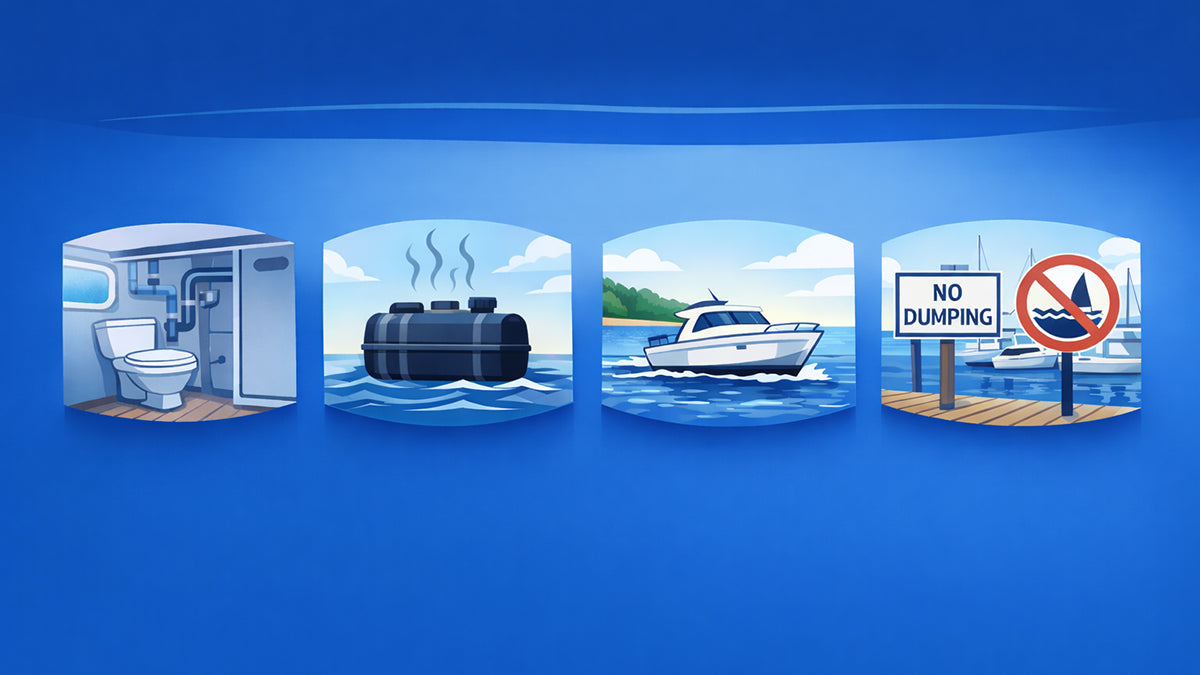
On small and mid-size boats, common problems include:

  • Limited cabin space makes plumbing installation difficult
  • Odor buildup from black water tanks in enclosed environments
  • Restricted pump-out access during long trips
  • No-dump zones and marina regulations limiting waste discharge

A waterless dry flush toilet removes these constraints entirely by eliminating water, plumbing, and open waste storage.

How a Dry Flush Toilet Works on a Boat

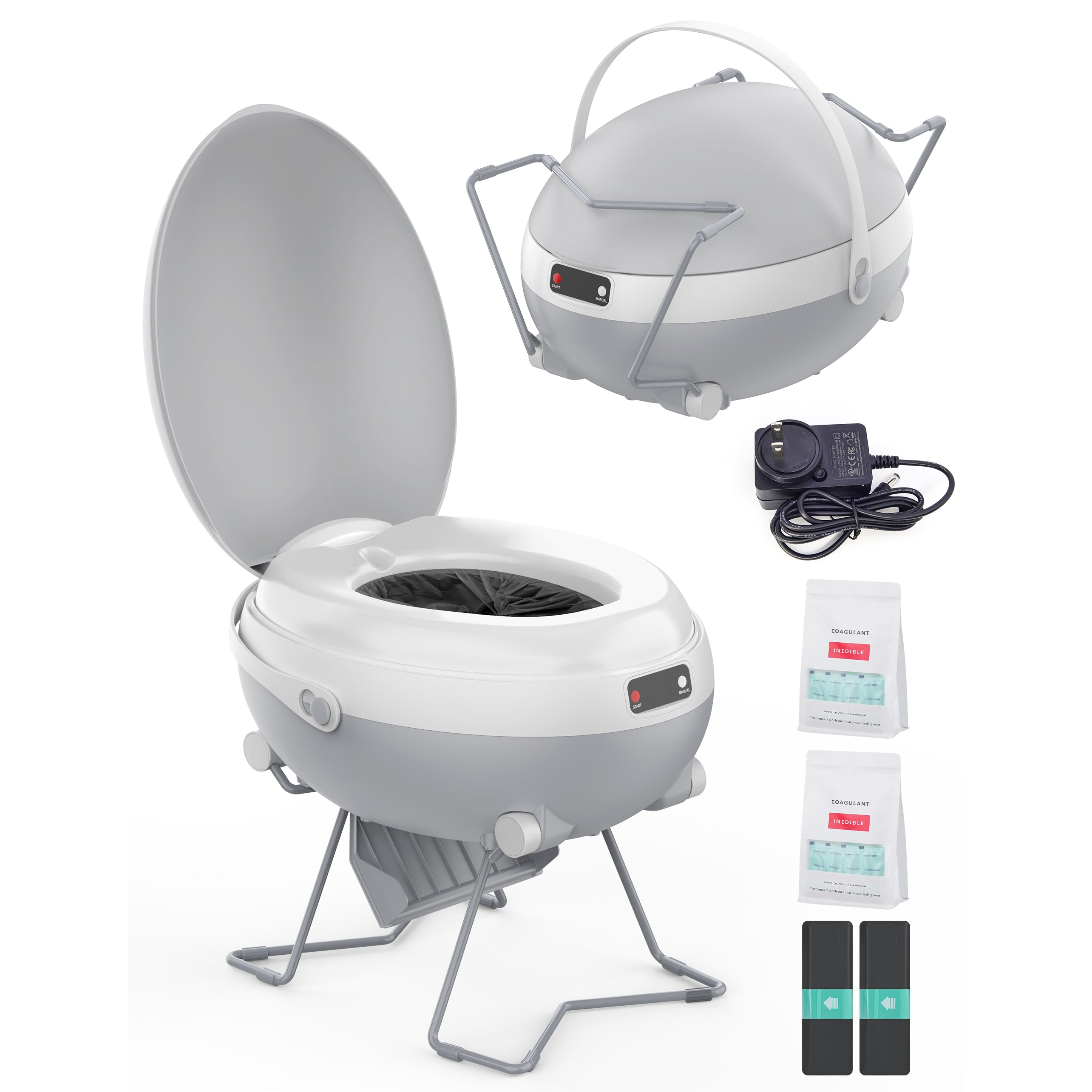
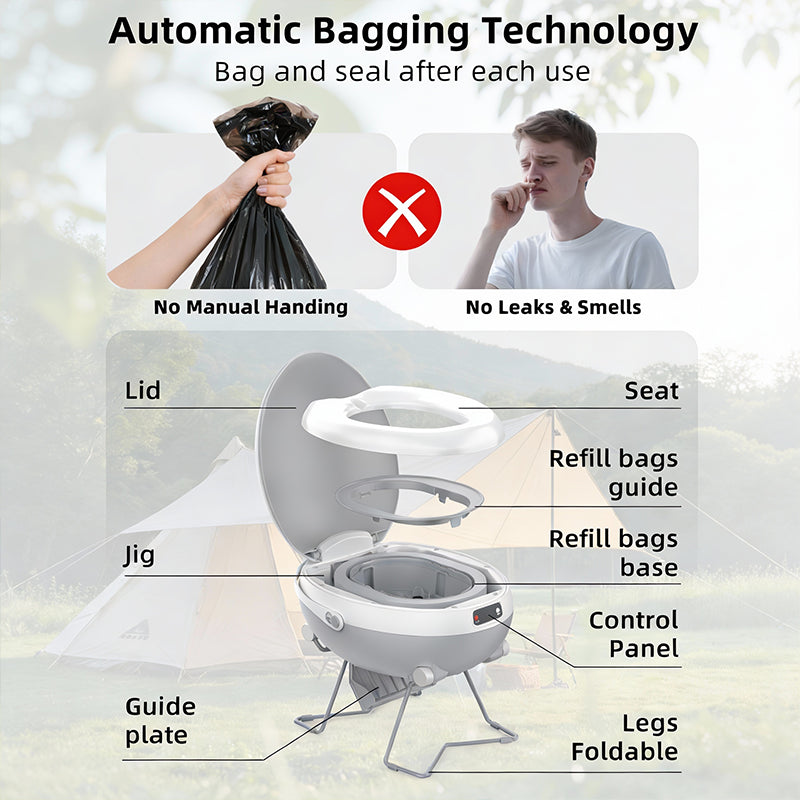
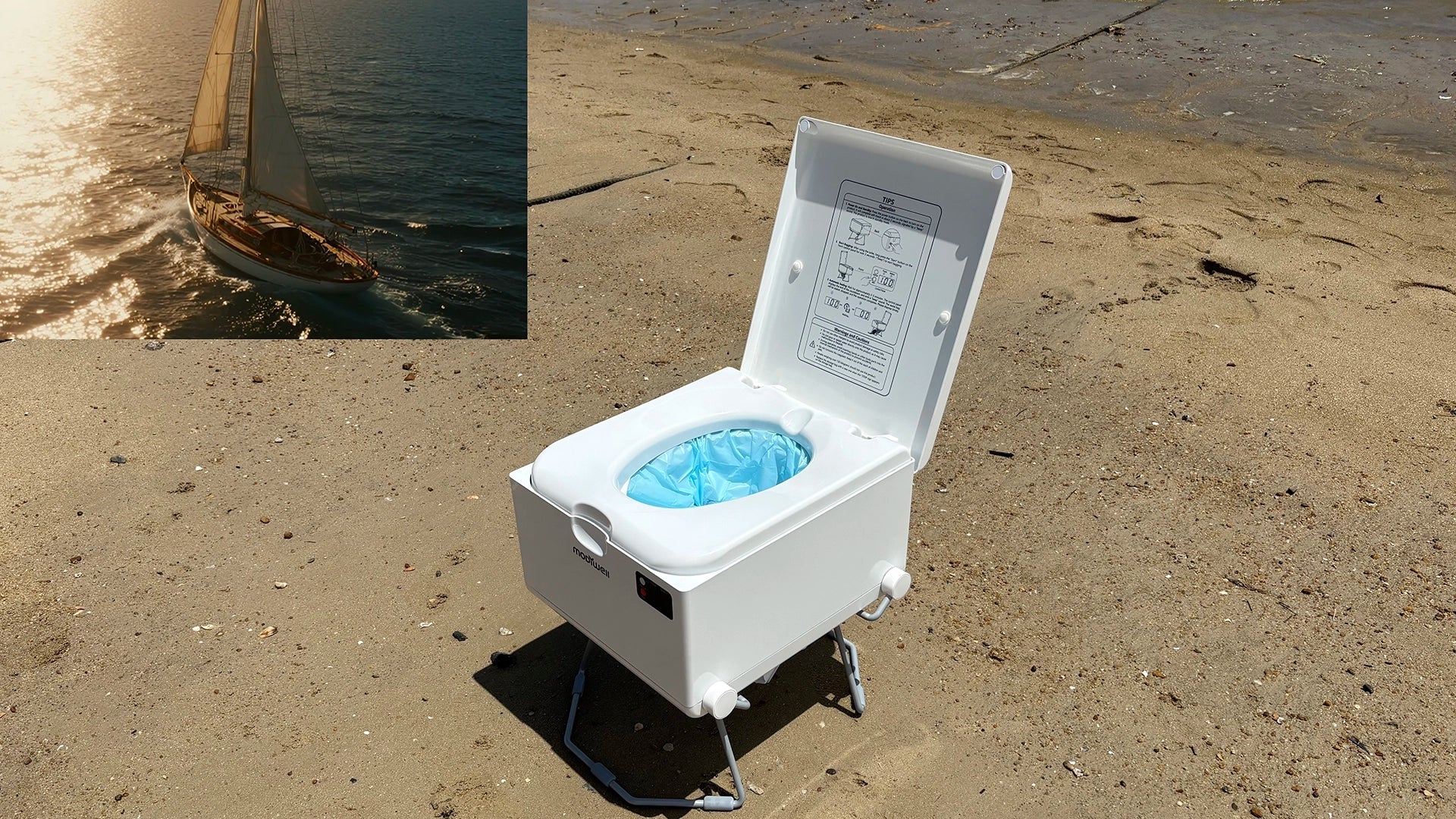
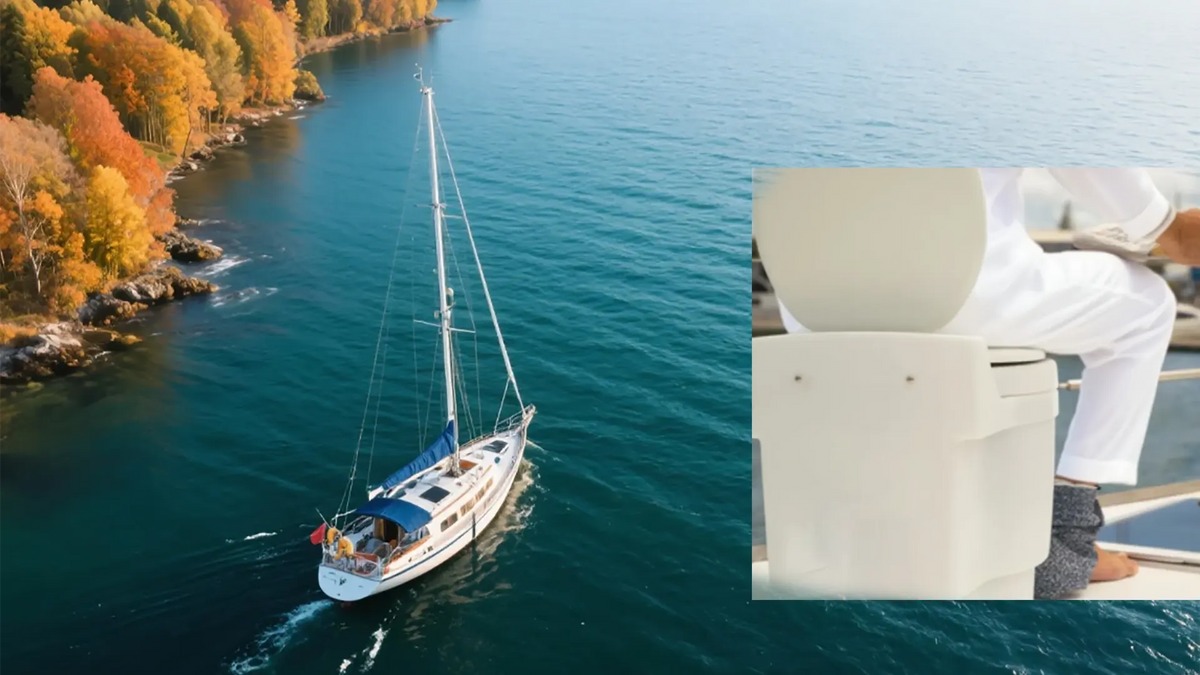
Dry flush toilets utilize a one-button sealing system instead of water and plumbing. How it works during actual sailing: Waste is immediately sealed in a separate film. The sealed film isolates odors and prevents leaks.
No water connection, chemical treatment, or connection to the ship's plumbing system is required. Therefore, it operates reliably whether docked in port, sailing at sea, or underway.
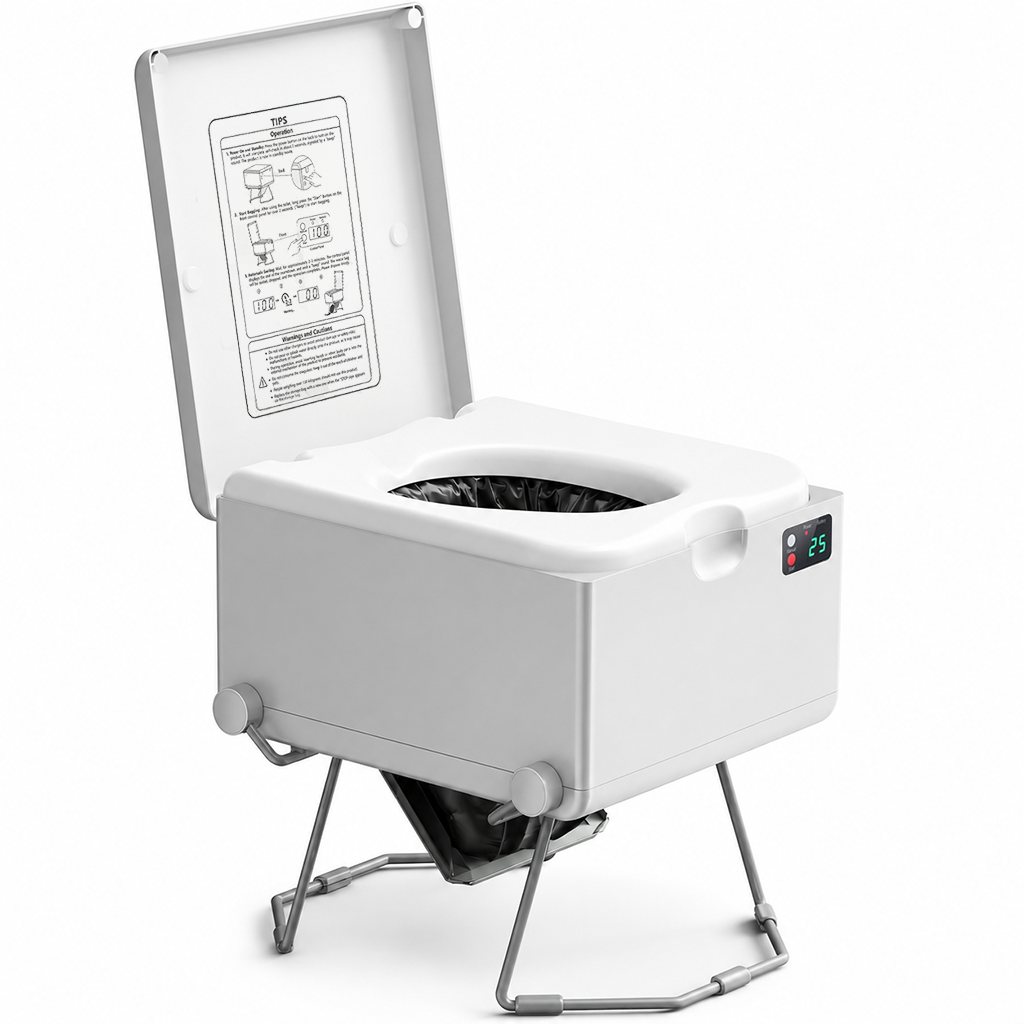
Easy Installation: How to Use Modiwell Dry Flush Toilets

Waterless, no touch. no hassle. clean & carefree.

Modiwell LE-310 Dry Flush Portable Toilet

Modiwell R1808 dry flush toilet for RVs

Modiwell PT-830 Dry Flush Toilet Stable Support/Power Bank

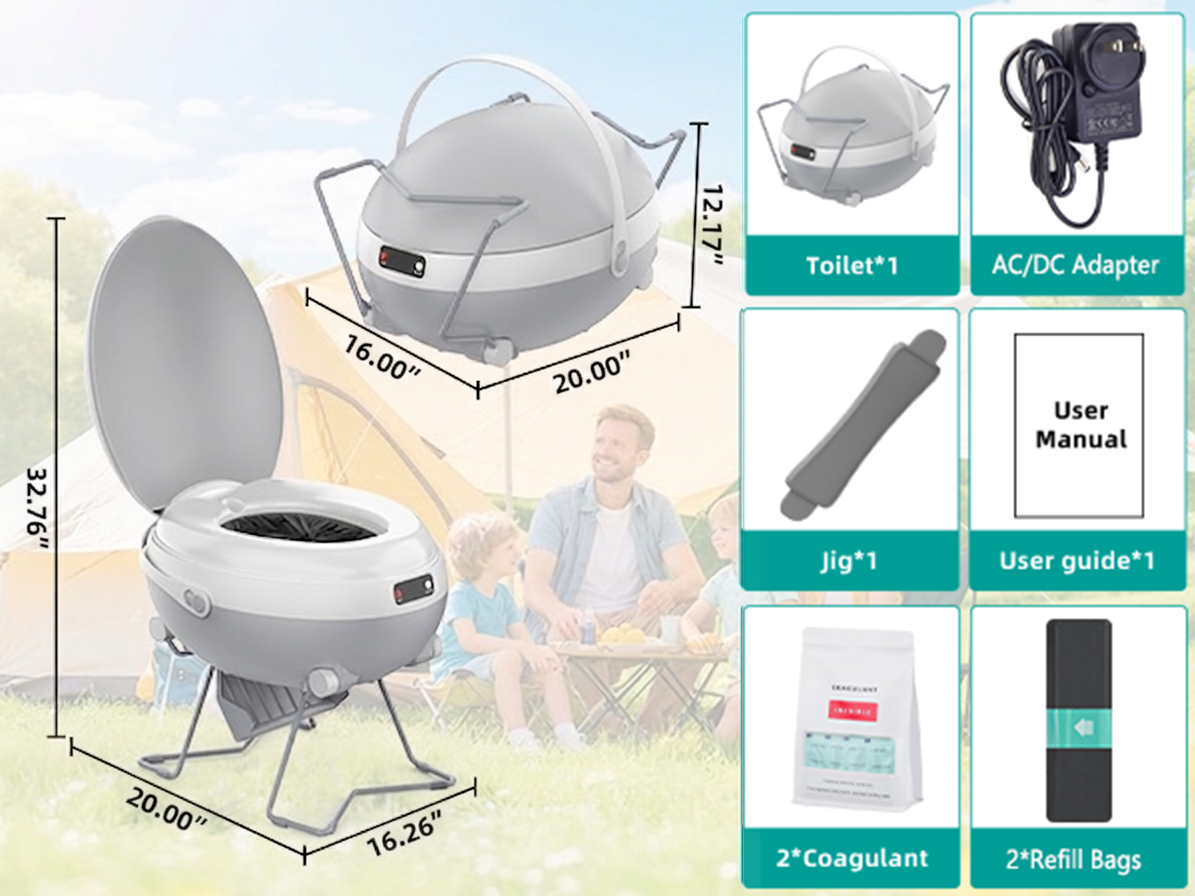
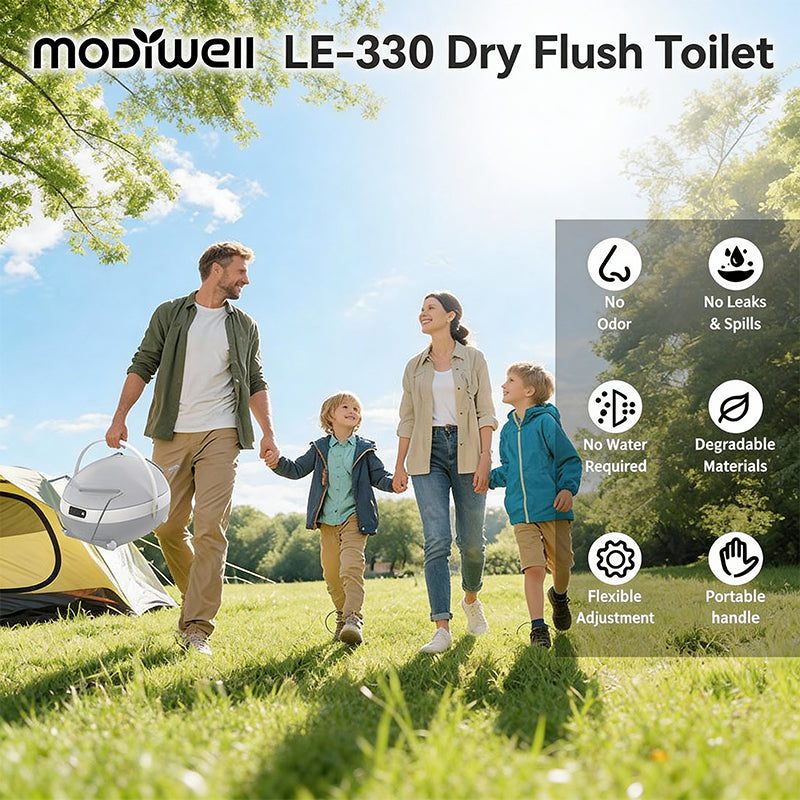
Modiwell LE-330 Portable Dry Flush Toilet with Carry Handle

Boat Toilet FAQs

Is it legal to use this in a No Discharge Zone or marina?

Modiwell waterless dry flush toilets do not discharge any waste into the water and do not involve overboard discharge, generally meeting the basic sanitation requirements of No Discharge Zones and marinas.
Specific regulations may vary depending on the country and region, and boat owners are advised to comply with local regulations regarding the final disposal of waste.

How are the waste products from the dry flush toilets ultimately disposed of? Can they be dumped into the sea?

No. The waste from each use is sealed in an individual liner bag. After docking, it must be disposed of according to local regulations at designated facilities in the marina or at compliant waste disposal sites to prevent any water pollution.

What are the most common problems with traditional marine toilets? Can dry flush systems avoid these problems?

The most common failure points in traditional marine toilets include pump and valve malfunctions, hose blockages, and black water tank leaks. Dry flush systems do not contain these components, thus avoiding these frequent failure points through their structural design and reducing long-term maintenance risks.

If we're at sea for several consecutive days, will it be enough?

The usage time depends on the number of users and the frequency of use.
For multi-day voyages, the boat owner needs to plan replacement times accordingly and can prepare consumables in advance. Compared to black water tank systems that rely on pump-out facilities, dry flush systems are more suitable for sailing scenarios where frequent docking is not possible.