Off Grid Toilet for Cabins, Remote Properties and Tiny Homes

What Is an Off Grid Toilet?

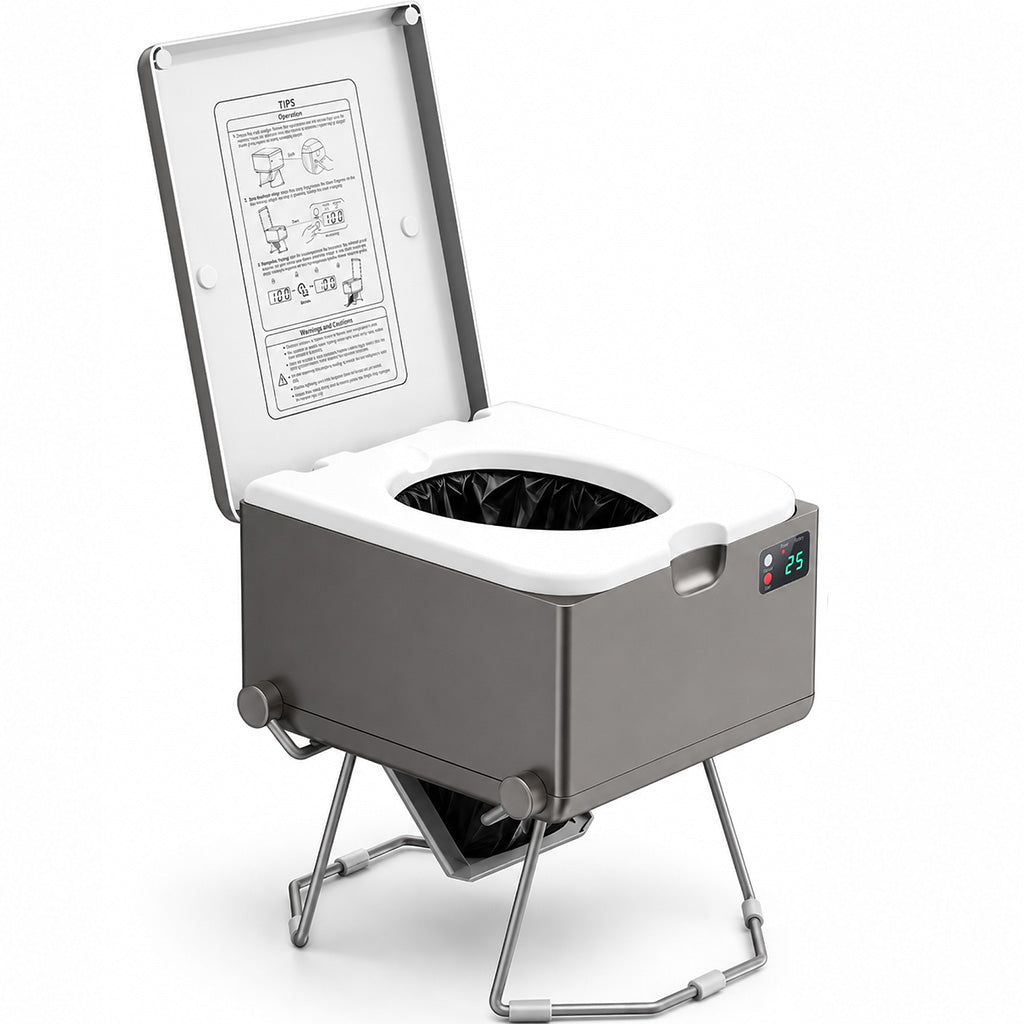
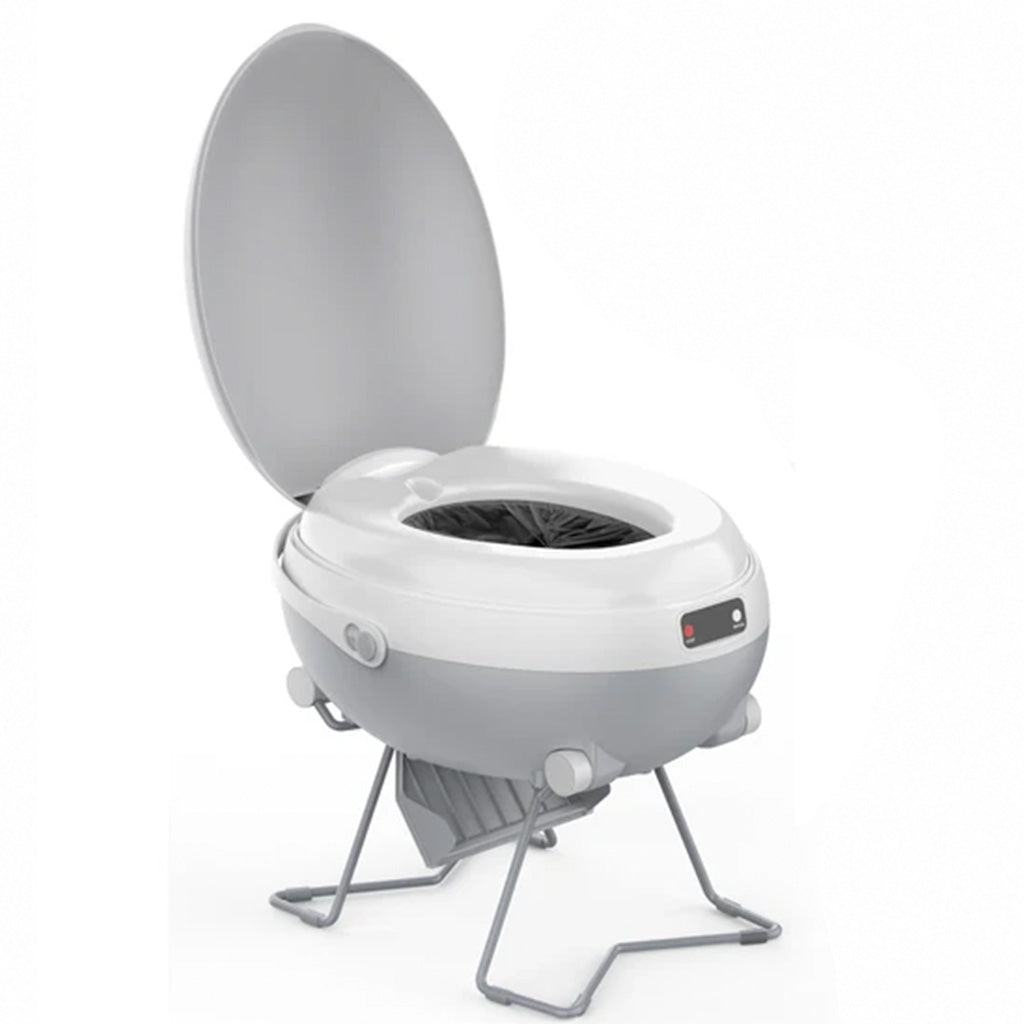
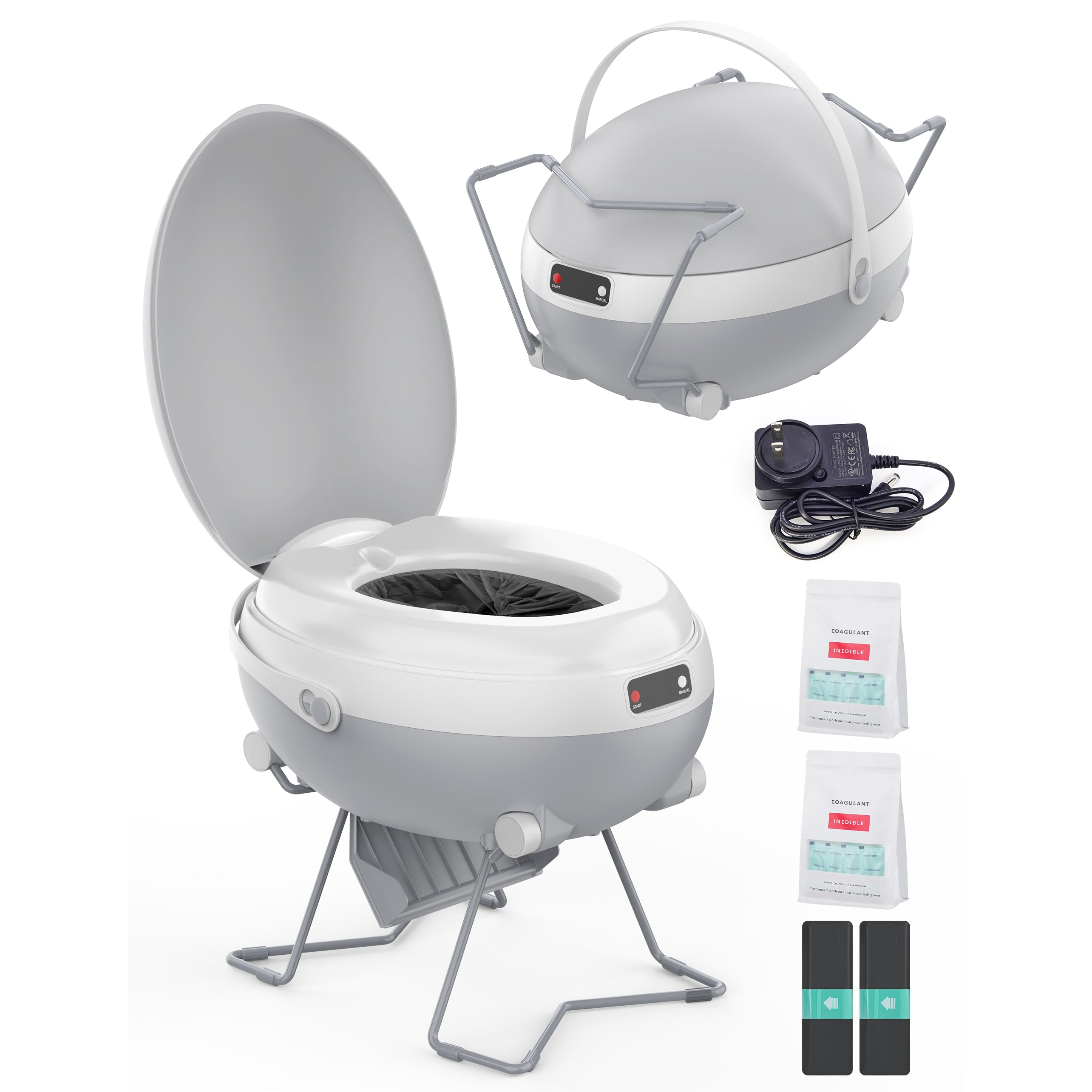
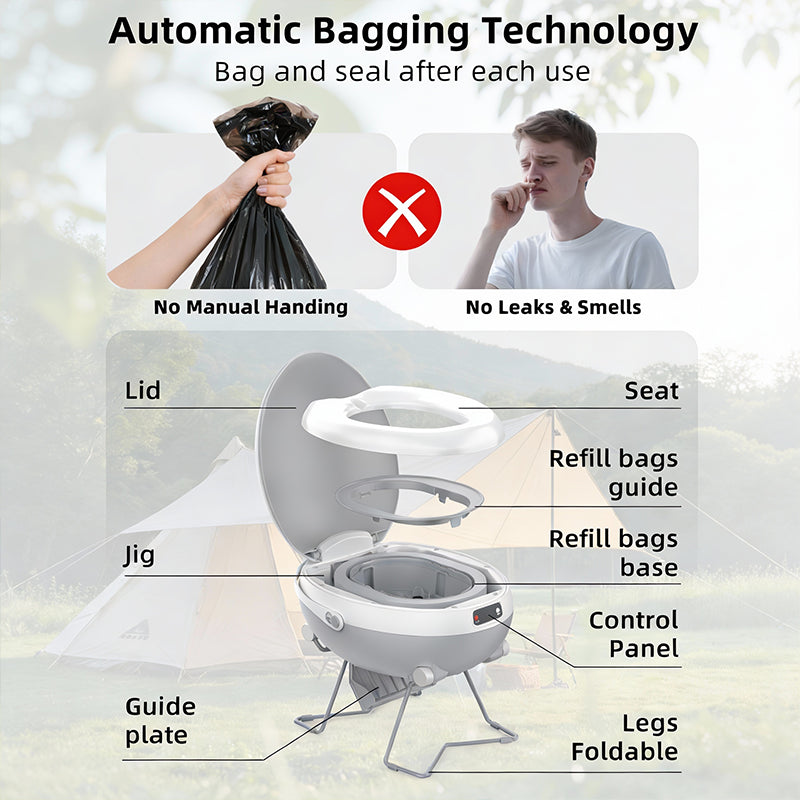
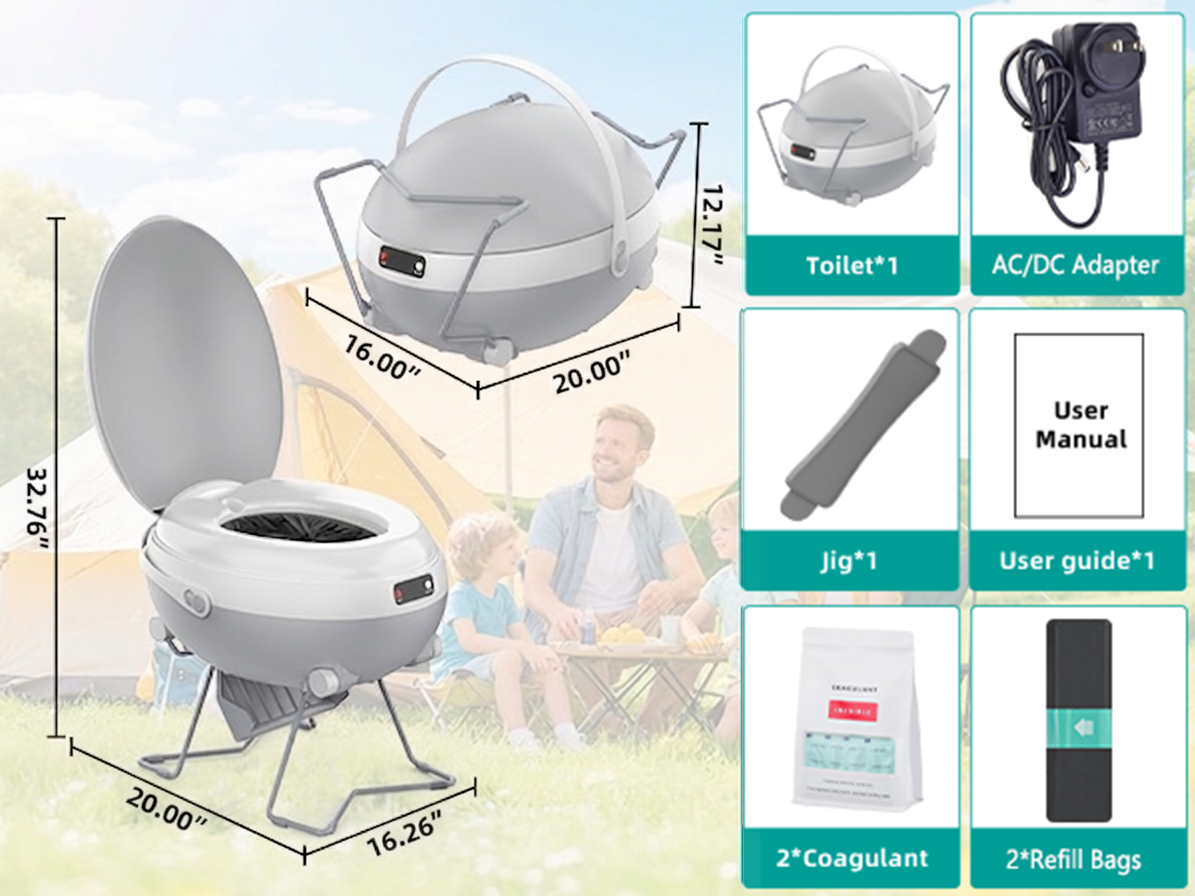
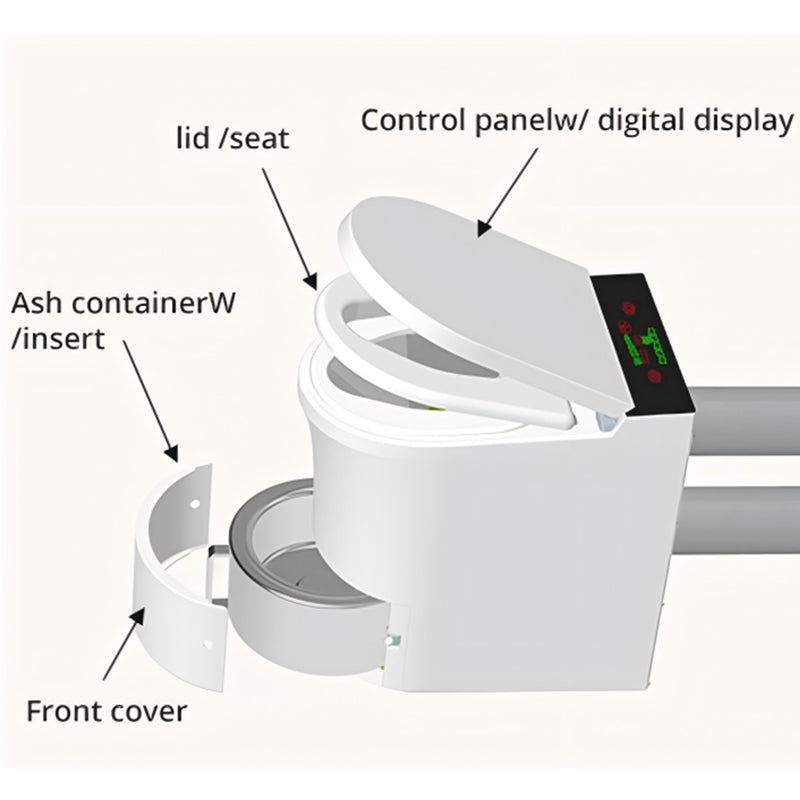
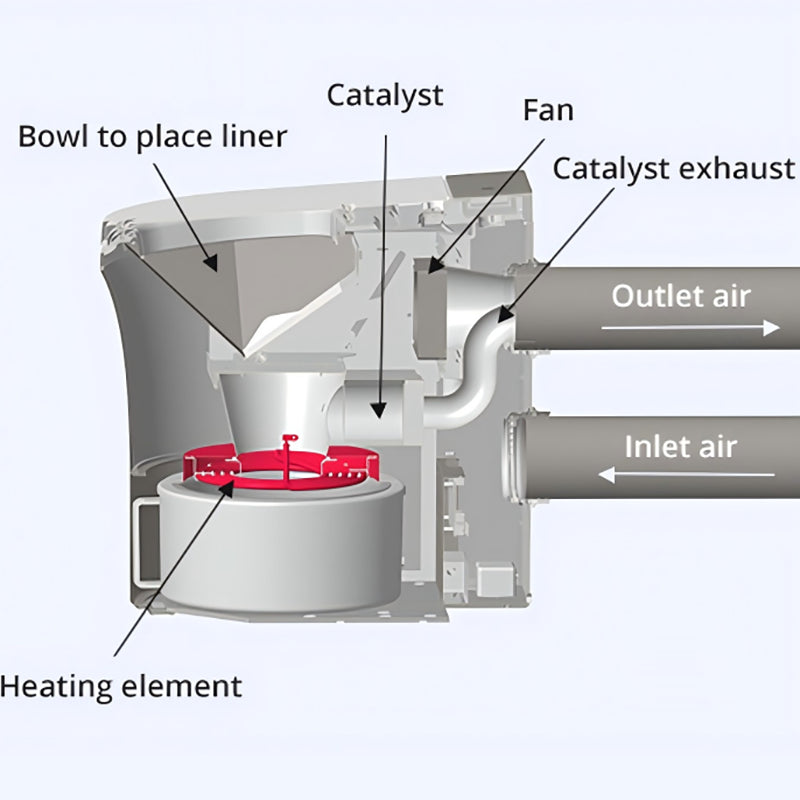
An off grid toilet is any toilet that operates without a connection to mains water, a sewage system or a septic tank. There are several types available, each suited to different situations and budgets. Dry flush toilets use heat-sealing technology to wrap waste into biodegradable bags after each use. Electric incinerating toilets burn waste completely at high temperatures, leaving only a small amount of sterile ash. Both options are genuinely waterless and require no plumbing installation.

Off Grid Toilet for Cabins and Remote Properties

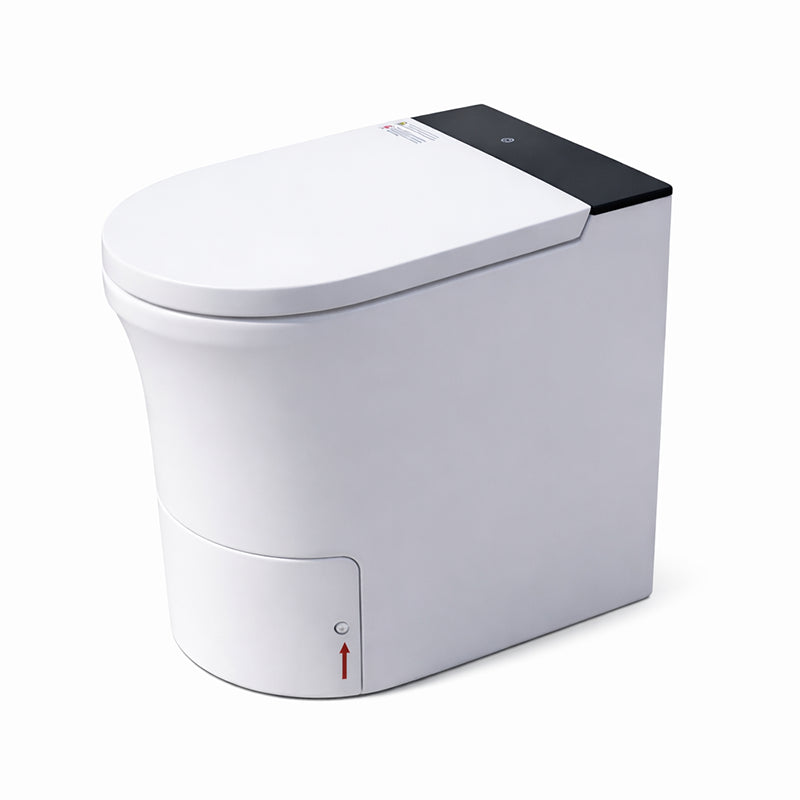
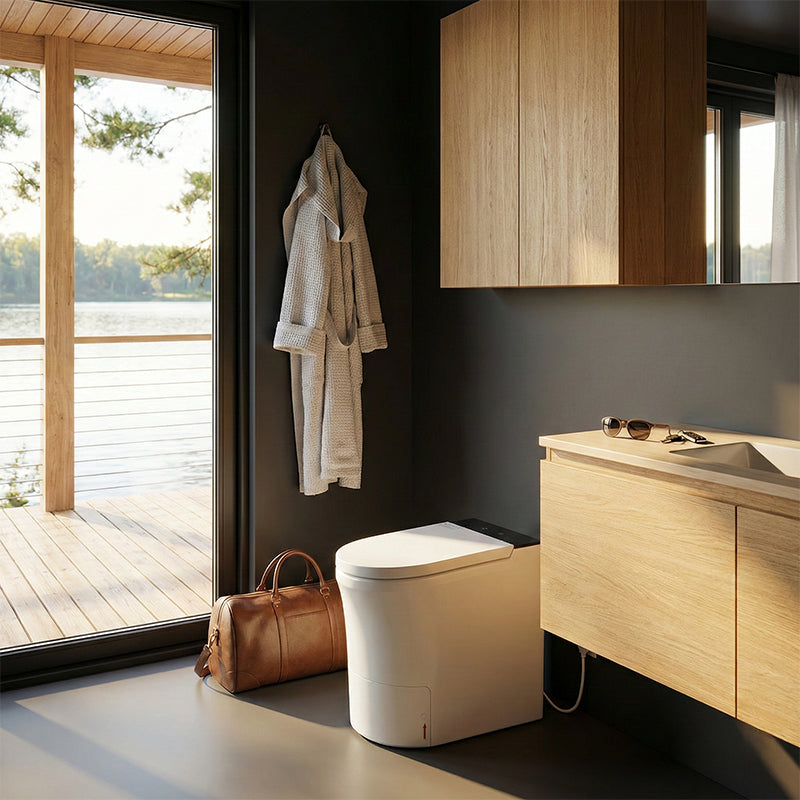
For a cabin or remote property that sees regular use, the main considerations are reliability, ease of maintenance and how waste is ultimately handled. A dry flush toilet is easy to set up, requires no permanent installation and can be moved if needed. An electric incinerating toilet is better suited to a permanent installation where electricity is available, as it produces only ash that needs to be emptied periodically and requires no waste disposal trips.

Toilet Without Septic System

Installing a septic system is expensive, time-consuming and not always permitted on every property. A waterless off grid toilet removes the need for a septic system entirely. There is no digging, no tank installation and no ongoing septic maintenance. Waste is either sealed into biodegradable bags or burned to ash, both of which can be handled without any connection to drainage infrastructure.

Off Grid Toilet Options Compared

Dry flush toilets are the most versatile option. They are portable, battery-powered and work in any location with or without an electricity supply. They are ideal for cabins, sheds, tiny homes, boats and any situation where you need flexibility. Electric incinerating toilets are the better choice for a permanent off grid installation where electricity is available and you want the absolute lowest maintenance ongoing. Both options are available from Modiwell and ship free to the United States, Canada and Australia with an 18-month warranty.

Off Grid Toilet FAQs

What is the best toilet for an off grid cabin?

The best off grid cabin toilet depends on whether you have access to electricity and whether you want a portable or permanent setup. A dry flush toilet is the most flexible option and works with or without mains power. An electric incinerating toilet is better for a permanent installation where power is available, as it requires no waste bags and produces only ash.

Can an off grid toilet work without electricity?

Yes. Modiwell dry flush toilets run on a built-in rechargeable battery and do not require a mains power connection. They can be charged using solar, a generator or any standard power source, making them suitable for fully off grid properties.

What is the difference between a dry flush toilet and an incinerating toilet for off grid use?

A dry flush toilet seals waste into biodegradable bags that are disposed of in a standard rubbish bin. It is portable, battery-powered and requires no permanent installation. An incinerating toilet burns waste at high temperature, leaving only ash. It requires a power connection and a flue pipe for venting, making it better suited to a fixed off grid location.

Do off grid toilets need a septic tank?

No. Both dry flush and incinerating toilets operate completely independently of a septic system. Dry flush models seal waste into bags for bin disposal, while incinerating models burn waste to ash. Neither requires a septic tank, drainage connection or water supply.

How do you dispose of waste from an off grid dry flush toilet?

Waste is automatically sealed into a biodegradable bag after each use and can be disposed of in any standard rubbish bin. There is no liquid waste and no direct handling of waste required.

Are off grid toilets suitable for year-round use?

Yes. Modiwell dry flush toilets operate reliably in a wide range of temperatures and are suitable for year-round use. Electric incinerating toilets also work in cold climates as they rely on electric heating rather than biological processes.