
A portable toilet is useful for camping, RVs, boats, and in-home care. Traditional portable toilets can involve manual flushing, odors, water handling, and difficult cleaning. Electric portable toilets help simplify some of these tasks through powered flushing, sealing, or waste handling.
This guide explains what an electric portable toilet is, how different types work, and how to choose a model that fits your space, water access, power setup, and usage needs.
What Is an Electric Portable Toilet?
An electric portable toilet is a mobile toilet with a built-in powered system. Depending on the design, electricity may power flushing, waste sealing, ventilation, or control functions.
Electric portable toilets generally fall into two main categories.
1. Electric Flush Portable Toilet
- How it works: An electric pump draws clean water from a reservoir and flushes the bowl at the press of a button.
- Pros: Offers a familiar flushing experience and easier operation than a manual pump.
- Best for: Camping, RVs, and boats where water supply, tank emptying, and battery charging are manageable.
2. Dry Waterless Electric Portable Toilet
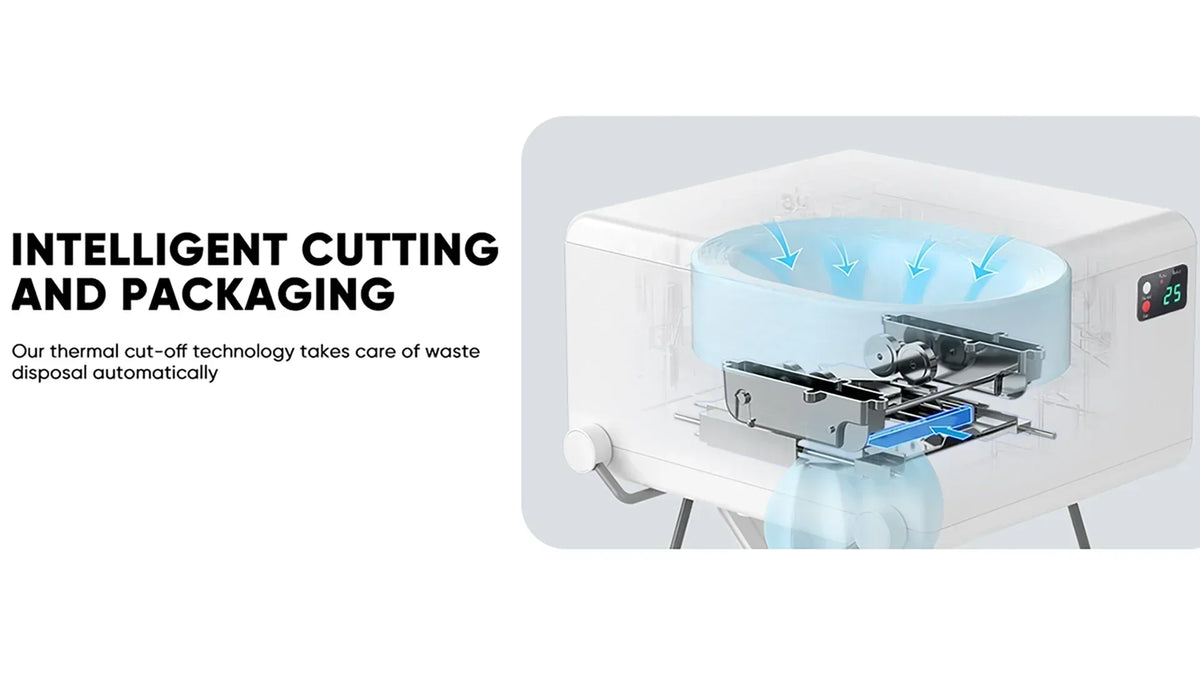
A dry electric toilet does not require flushing water. It uses an internal electric mechanism to seal waste and physically isolate it. For example, the Modiwell dry flush toilet uses automatic heat-sealing technology to simplify waste disposal without a black water tank.
- Pros: Helps reduce odors, does not require a water source, and makes disposal cleaner by sealing waste in a dedicated bag.
- Best for: Outdoor trips, bedside care, home emergencies, specialized vehicles, boats, RVs, and temporary living spaces.
How to Choose the Right Electric Portable Toilet
When selecting an electric portable toilet, compare the flushing method, battery life, capacity, size, weight, and materials.
1. Flushing Method: Electric Flush vs. Dry Flush
If you have easy access to water and prefer a traditional flush, choose a wet-flush electric model. If you need waterless operation, easier sealed-bag disposal, and odor control in a small space, a dry flush toilet may be more suitable.
2. Battery Life
- Why it matters: Battery life determines how long the toilet can operate without recharging.
- How to choose: Check the battery capacity, rated number of uses, charging time, and charging method. The Modiwell electric toilet LE-310 uses a 57.72 Wh lithium battery and supports Approx. 100 uses on a full charge.
3. Tank and Waste Capacity
- Why it matters: Larger tanks or longer refill cycles can reduce how often waste is handled, but they may increase size and weight.
- How to choose: Choose capacity based on users and trip length. Longer RV trips may require a larger tank or extra refill supplies, while short camping trips may be easier with a medium or small electric camping toilet.
4. Size and Weight
- Why it matters: Size affects placement and storage. Weight affects portability and handling.
- How to choose: Measure the space where you plan to place the toilet, such as a boat cabin, RV bathroom, trunk, or bedside area. The Modiwell LE-310 dry flush toilet folds to 17.5" x 16" x 10.75" and weighs 16.5 lbs.
5. Material and Durability
- Why it matters: Material quality, frame design, and load capacity affect safety and product life.
- How to choose: Look for sturdy materials, stable support, and easy-to-clean surfaces. The Modiwell LE-310 uses premium stainless steel and high-grade plastic and supports up to 330 lbs.
Versatile Applications of Electric Portable Toilets

- Outdoor adventures and RV life: An electric toilet can provide a cleaner restroom option when campground facilities are limited or inconvenient.
- Boating: Powered flushing or sealing systems can help boat owners manage waste more conveniently in limited onboard space.
- Mobility impairment or in-home care: A well-designed, easy-to-use electric toilet can improve daily convenience and reduce some caregiver workload.
Maintenance and Care
- Wet-flush toilets: Empty the waste tank regularly, use compatible additives when required, clean the bowl and seals, and keep the battery charged.
- Dry-flush toilets: Monitor refill bag supply, use compatible coagulant when needed, and keep the battery charged.
- General maintenance: Wipe the exterior with mild cleaner and avoid corrosive chemicals that may damage plastic, seals, or metal parts.
Conclusion
An electric portable toilet can make camping, RV travel, boating, and home care more convenient. Electric flush models are useful when water and tank emptying are manageable, while dry flush electric toilets are helpful when waterless operation and sealed-bag disposal are priorities. Choose based on your space, battery needs, disposal plan, and expected use frequency.
Share:
The Best Large-Capacity Portable Toilets for Long Trips
Waterless Electric Toilets: The Smart Eco-Friendly Choice