
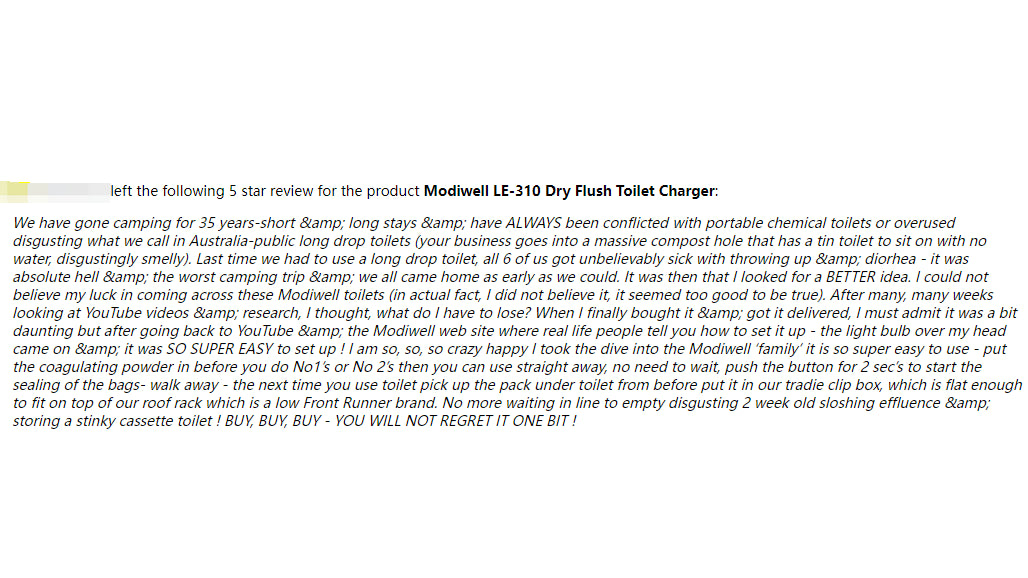
After decades of camping, many experienced campers reach the same conclusion: the toilet setup can make or break a trip. Short stays, long stays, family trips, and group trips all become harder when the bathroom option is unpleasant, difficult to empty, or hard to keep clean.
For campers who want an alternative to chemical camping toilets and public camp toilets, a dry flush portable toilet can offer a cleaner, waterless way to handle waste on the road.
Chemical Camping Toilets and Public Camp Toilets Can Be Frustrating
For many years, campers have relied on chemical camping toilets or public camp toilets. Chemical toilets can work, but the odor, additives, cleaning, and emptying process are often the least enjoyable part of the trip.
Public camp toilets are not always better. In some areas, long drop toilets or basic pit toilets may have no water, limited cleaning, and strong smells. For families, that can make restroom use stressful, especially during longer trips.
That is why many campers start looking for a camping toilet without chemicals, with better odor control, and with less direct waste handling.
The Camping Trip That Changed the Search
One difficult camping trip can be enough to change how you think about toilets. When several people in a group become sick after relying on poor public facilities, it is natural to start looking for a more private and hygienic option for future trips.
For many families, that moment leads to a clear requirement: find a chemical camping toilet alternative that is easier to use, easier to store, and easier to manage during travel.
Discovering a Dry Flush Portable Toilet
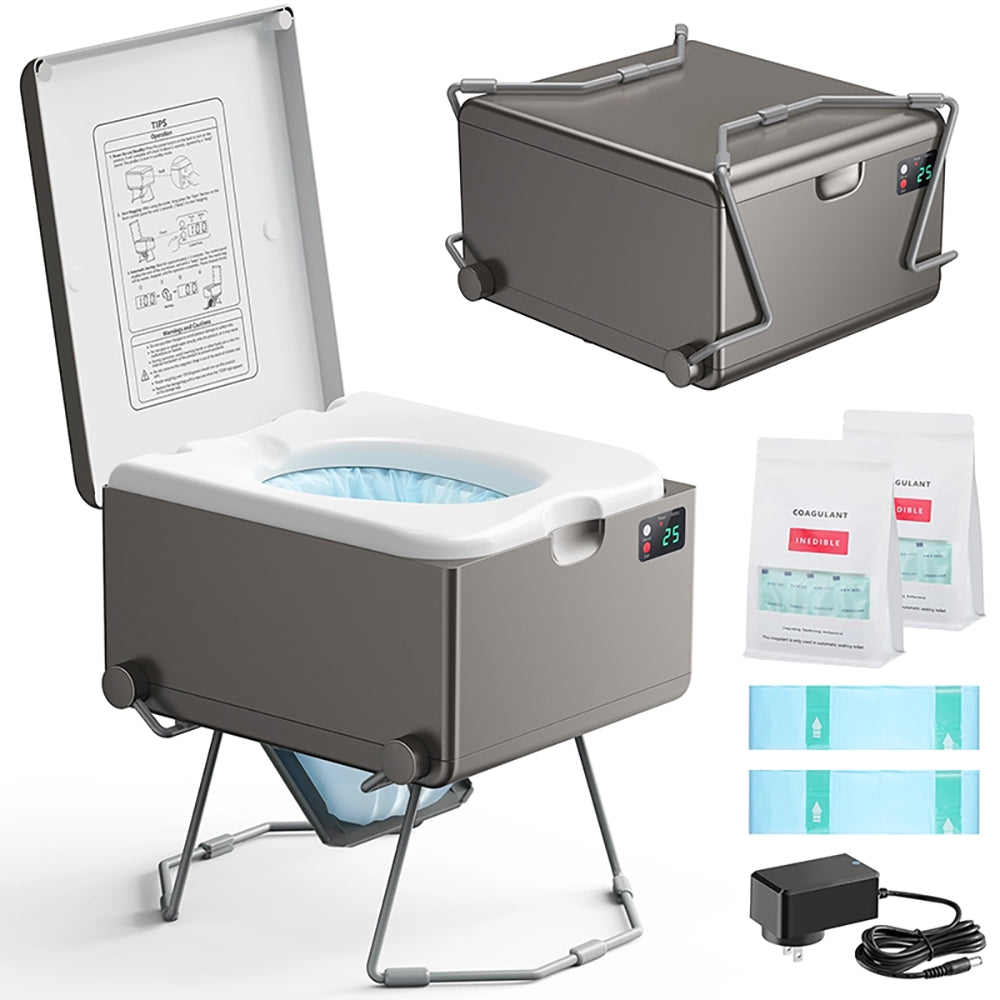
Modiwell LE-310 Dry Flush Portable Toilet
Waterless dry flush design, no black tank required, sealed-bag waste handling, compact folding storage, 16.5 lbs product weight, and 330 lbs support capacity.
LE-310 Dry Flush ToiletWhile searching for better options, many campers come across the Modiwell dry flush portable toilet.
At first, the idea may sound surprising: a portable toilet for camping and RV use that does not rely on flushing water, chemical treatment tanks, or a black water tank. The practical question is whether it works well in real camping situations.
That is why it is worth watching setup videos, reading user experiences, checking refill requirements, and understanding how sealed-bag disposal fits your trip style before switching.
Setup Is Straightforward
A dry flush toilet looks different from a traditional camping toilet, but setup can be simple once you understand the refill pack, sealing process, and coagulant use.
The Modiwell LE-310 is designed for portable use. It folds to 17.5" x 16" x 10.75", expands to 17.5" x 16" x 31.5", has a 17.625" seat height, and weighs 16.5 lbs. Its built-in 57.72 Wh lithium battery supports Approx. 100 uses on a full charge.
How Campers Use This Type of Toilet
In normal use, campers add coagulant before use, then press the button after use to start the sealing process. Waste is sealed in a dedicated bag, which helps reduce direct contact and makes cleanup easier than emptying a sloshing tank.
The next time the toilet is used, the sealed bag can be removed and stored in a suitable container until disposal. Disposal should always follow campground, event, municipal, or local waste rules.
For campers who dislike chemical toilet odors and tank emptying, sealed-bag handling can feel much more manageable, especially on family trips.
What Campers Often Want to Avoid
After switching to a dry flush portable toilet, many campers are mainly trying to avoid a few common problems:
- Waiting in line to empty a chemical toilet.
- Transporting old liquid waste in a cassette tank.
- Storing a smelly portable toilet inside a vehicle.
- Depending on poorly maintained public camp toilets.
- Handling waste transfer from one container to another.
Advice for Other Campers
If you are searching for a portable toilet for camping or RV use that avoids chemical tank treatment, reduces odor concerns, and simplifies cleanup, a dry flush toilet is worth considering.
The best choice depends on how you camp, how many people use the toilet, where you store it, how you dispose of waste, and whether you are comfortable keeping refill bags stocked.
Conclusion
For campers who want a chemical camping toilet alternative, a dry flush portable toilet can be a practical option. It provides a raised seat, waterless operation, sealed-bag waste handling, and easier storage for RVs, tents, vehicles, and family camping setups.
Note: This article is based on long-term camper feedback and reflects personal experience. Results may vary by trip length, number of users, refill supply, storage method, and local disposal rules.
Share:
No More Dump Stations: Modiwell Off-Grid Toilet Review