


Going off-grid used to mean making compromises. Today, it doesn’t have to.
Whether you’re building a remote cabin, living full-time off-grid, traveling in an RV, or running a backcountry Airbnb, one question always comes up:
What’s the best toilet for off-grid living?
If you’ve spent time in Reddit forums, Facebook homesteading groups, or van life communities, you’ve probably seen the same debates:
- “My composting toilet smells in winter.”
- “Guests never use it correctly.”
- “Septic isn’t worth it for a seasonal cabin.”
- “Is there a toilet that just works like normal?”
This guide breaks down what an off-grid toilet actually is, how the main systems compare, and what real off-grid owners wish they knew before choosing one.
What Is an Off-Grid Toilet?
An off-grid toilet is a system that works without permanent water supply or sewer connection.
It’s designed for places where:
- There’s no municipal sewer
- Water access is limited
- Septic installation is impractical or expensive
- Mobility or seasonal use matters
Unlike traditional flush toilets, off-grid systems must manage waste independently — often without plumbing, underground tanks, or daily water consumption.
Not all “off-grid toilets” deliver the same level of usability.
What Makes a Toilet Truly Off-Grid Ready?
A true off-grid toilet should:
- Require no water
- Avoid dependence on septic
- Control odor consistently
- Work in cold climates
- Require minimal daily adjustment
- Be simple enough for guests to use
The Four Main Off-Grid Toilet Options (Real-World Comparison)
| Toilet Type | Water Needed | Odor Control | Maintenance | Winter Reliability | Guest Friendly |
|---|---|---|---|---|---|
| Composting Toilet | No | Variable | High | Often Inconsistent | Training Required |
| Septic System | Yes | Yes | Very High | Depends on Insulation | Yes |
| Pit / Outhouse | No | No | Medium | Limited | No |
| Dry Flush Toilet | No | Yes | Low | Relatively stable | Yes |
Composting Toilets: Ideal in Theory, Demanding in Practice
Composting toilets are widely recommended because they avoid water and septic systems.
However, real-world users frequently report:
- Odor during humidity changes
- Slow composting in winter
- Urine diversion clogging
- Regular mixing and carbon balancing
- Guests misusing the system
For hands-on homesteaders, this may be manageable. For families, rental properties, and RV travelers, it often becomes ongoing maintenance rather than convenience.
Winter Performance: Where Many Systems Fail
Cold climates reveal weaknesses quickly.
- Composting slows dramatically
- Moisture imbalance increases odor
- Venting systems perform inconsistently
- Septic infrastructure risks freezing
Modiwell dry flush toilets do not rely on water and are relatively stable when used offline. When using in environments below 0°C, please note:
- Battery performance: Low temperatures will reduce battery life; it is recommended to provide basic insulation for the unit.
- Indoor advantages: As long as the toilet is installed in a warm indoor environment, its sealing function and battery life will not be affected even if the outdoor temperature drops to -10°C.
The Shift Toward Dry Flush Waterless Systems
Instead of composting or flushing, modern dry flush systems:
- Collect waste immediately
- Seal it in an enclosed chamber
- Prevent odor from escaping
- Store it securely until disposal
There is no composting process, no sawdust, no vent pipe requirement, and no plumbing connection.
Why Airbnb Owners Often Choose Simplicity
Short-term rental owners commonly report:
- Guests ignore instructions
- Incorrect use leads to odor
- Cleaning turnover becomes complicated
- Negative reviews mention bathroom issues
If a system requires explanation, it increases risk. Guest-proof simplicity becomes essential.
Choosing Based on How You Actually Live
Before deciding, consider:
- How many daily users?
- Will guests use it?
- Do you live in a freezing climate?
- Do you want hands-on maintenance?
- Is this seasonal or full-time?
If you want minimal oversight, consistent odor control, cold-weather reliability, and no septic investment, a sealed waterless off-grid toilet may be the most practical solution.
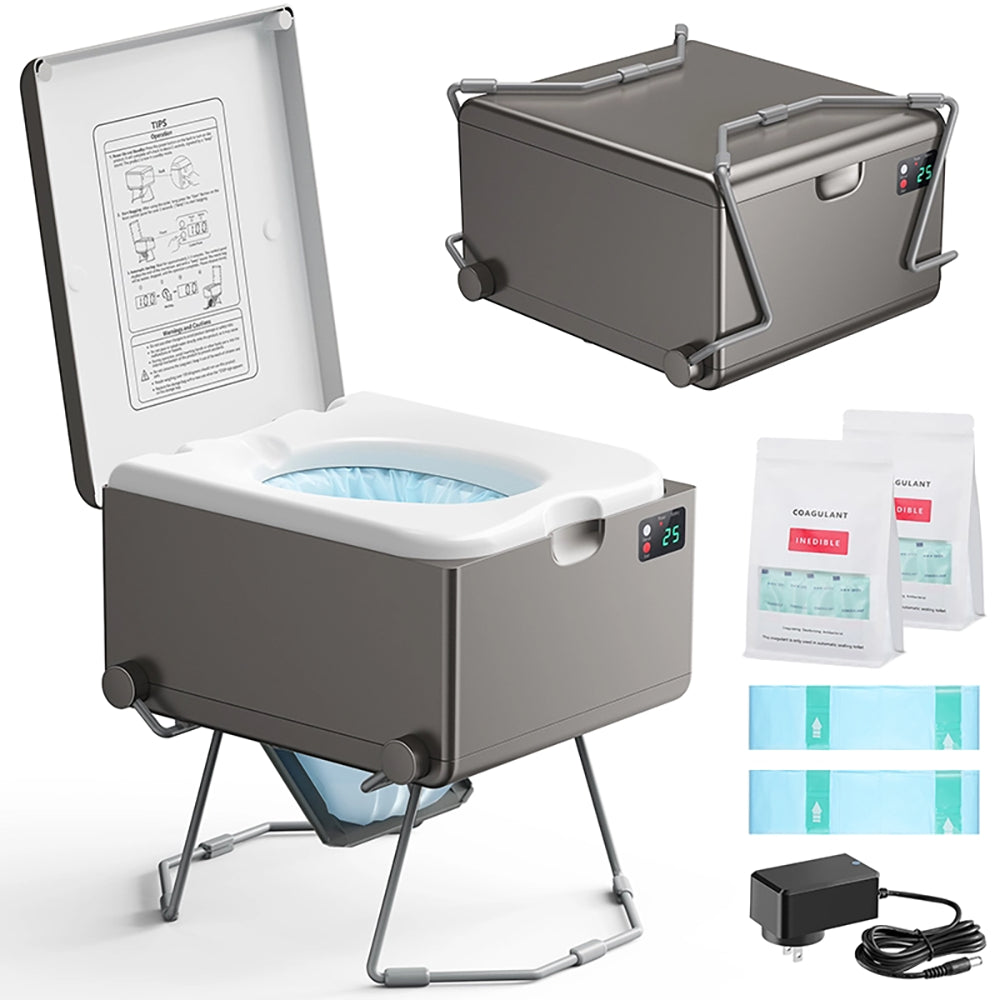
A Modern Off-Grid Toilet Designed for Real Use
The Modiwell Off-Grid Toilet is designed around real-world off-grid frustrations.
- Fully sealed odor-lock system
- No composting proces
- No water usage
- No plumbing connection
- Compact footprint for cabins, RVs, and tiny homes
Installation requires no septic system, no vent pipe, and no complex setup.
View the Modiwell Off-Grid Toilet Solution
Frequently Asked Questions
Do off-grid toilets smell?
A properly designed off-grid toilet should not smell indoors. Modern dry sealed waterless toilets isolate waste immediately after use, preventing odor from escaping. Composting toilets can remain odor-free when carefully maintained, but improper moisture balance, ventilation issues, or cold weather can increase odor risk.
What is the best toilet for off-grid living?
The best off-grid toilet depends on your climate, usage level, and maintenance preference. For hands-off operation and consistent indoor comfort, many homeowners choose Modiwell LE-310 dry flush toilets because they require no plumbing, no compost management, and perform reliably in all seasons.
Are off-grid toilets legal in the United States, Canada, and Australia?
Regulations vary by region. Many self-contained waterless toilets that meet RV or marine standards are widely accepted for cabins, tiny homes, and mobile applications. Always check local building and health department regulations for permanent residential installations.
Do waterless off-grid toilets require chemicals?
Most modern dry flush waterless toilets do not require chemical additives. They rely on mechanical sealing systems to contain waste and control odor rather than chemical treatment or decomposition.
How do off-grid toilets work without plumbing?
Off-grid toilets operate independently of sewer lines by either composting waste or sealing it in a contained storage system. Waterless sealed systems collect and enclose waste after each use, eliminating the need for plumbing, septic tanks, or continuous water supply.
What is the lowest-maintenance off-grid toilet option?
Dry flush toilets are generally considered the lowest-maintenance option because they do not require compost mixing, moisture balancing, or septic pumping. Waste is stored securely and disposed of in a predictable, contained manner.
Final Thoughts
Off-grid living has evolved. The best off-grid toilet today is clean, reliable, predictable, climate-stable, and suited to your real lifestyle.
If you want a system that feels closer to a normal indoor toilet — without plumbing — a modern sealed waterless solution may be the simplest path forward.


